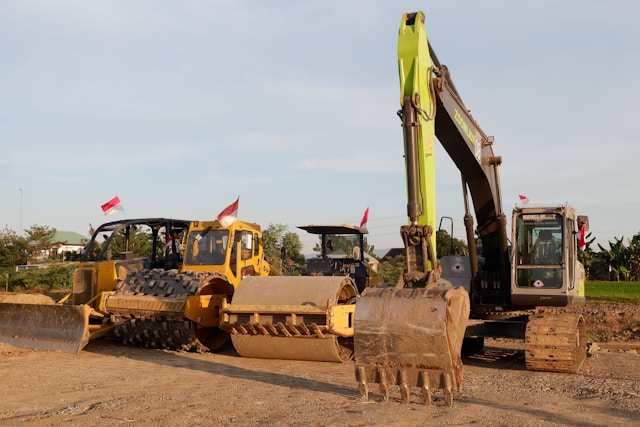
Regular Maintenance Checklist
Regular maintenance is critical for ensuring the smooth operation of your hydraulic cylinders. These components are key for various industrial and mechanical applications, and neglecting their upkeep can lead to severe operational issues. Components such as seals, rods, and fluid levels should be inspected frequently. A well-planned schedule can be a real lifesaver, helping to identify and fix small problems before they turn into big ones.
Think of hydraulic cylinders as similar to window shades Atlanta. Just like window shades that need regular cleaning and maintenance to ensure they function smoothly, hydraulic cylinders require consistent care to perform optimally. Just as no one wants their shades jamming when they need them most, a malfunctioning hydraulic cylinder could disrupt critical processes in your operations. Simple tasks such as checking hydraulic fluid regularly can ensure it’s clean and at appropriate levels, which can prevent major hydraulic issues and prolong the life of your equipment.
Common Issues and Solutions
Hydraulic cylinders can face various issues ranging from fluid leaks to rod scoring and everything in between. Fluid leaks are one of the most common problems, often resulting from worn-out seals. These can be somewhat straightforward to replace if you’re familiar with your system. Rod scoring, on the other hand, is often a more serious issue caused by contaminants in the hydraulic fluid. This can lead to pitting and scratching on the cylinder rod, ultimately causing more significant problems down the line.
While minor leaks might seem like an inconvenience, they can indicate larger issues. For example, thin or damaged seals might be a sign that your hydraulic fluid is contaminated or that there’s excessive pressure within the cylinder. Using clean, high-quality hydraulic fluid can help mitigate these issues, reducing the chance of contaminant build-up and improving the system’s overall efficiency. Diligent monitoring and promptly addressing these problems can forestall larger, costlier repairs.
Importance of Regular Inspections
Routine inspections are essential for spotting potential issues before they escalate. Simple visual inspections can reveal signs of wear and tear, such as rust, leaks, or scratches on the rod. During more detailed inspections, it’s crucial to check for any unusual noises, performance degradation, or temperature variations. These can be early indicators of underlying issues that require attention.
Furthermore, regular inspections enable you to maintain a detailed log of the hydraulic system’s condition, which can be invaluable when diagnosing problems. For instance, if a particular cylinder consistently shows signs of wear, it might suggest an issue with the surrounding environment or that it’s not being used within its recommended specifications. Catching these early can prevent failures that lead to downtime, which can be both costly and inconvenient. A well-inspected hydraulic system is more reliable and efficient.
When to Replace Hydraulic Cylinders
Even with meticulous maintenance, hydraulic cylinders will eventually need replacing. Like all mechanical components, they have a finite lifespan. Knowing when to replace a cylinder can save you money and prevent unexpected operational halts. Signs that it’s time to replace a cylinder include persistent leaks, excessive wear, and performance drops despite repairs. Occasionally, it might be more cost-effective to replace a problematic cylinder rather than spend on repeated repairs.
Excessive wear can be identified through inspections. For example, if a cylinder rod has deep scores or has become bent, its structural integrity may be compromised. Similarly, a consistently leaking cylinder, even after seal replacements, may indicate a more fundamental issue with the cylinder itself. Replacing a damaged cylinder promptly can enhance your operations’ overall efficiency and safety.
Best Practices for Prolonging Cylinder Life
- Use clean and high-quality hydraulic fluid to reduce contamination. Contaminants in the hydraulic fluid can cause wear and tear on the cylinder’s internal components, leading to premature failure.
- Maintain proper lubrication to minimize friction and wear. Lubrication is vital in reducing the mechanical wear on the seals and rods, prolonging their operational life.
- Store hydraulic cylinders in a clean, dry environment when not in use. Humidity and dirt can damage the outer surfaces and seals, leading to corrosion and degradation.
- Operate within recommended pressure and temperature limits. Overloading the hydraulic system by exceeding these limits can strain the cylinders, leading to premature wear or catastrophic failure.
Following these best practices helps ensure your hydraulic cylinders operate efficiently and have a longer lifespan. Proper maintenance and timely interventions can save both time and money, reducing downtime and avoiding expensive repairs.

